
Imagine this: it is a busy Tuesday afternoon. Your team is finalising a critical project, sales are processing online orders, and a major client presentation is scheduled via video conferencing. Suddenly, the internet connection drops. The entire business grinds to a halt. Orders stop, communication ceases, and access to essential cloud-based software vanishes. This scenario is not just a hypothetical nightmare; it is a reality for thousands of UK businesses every year. This is the cost of downtime, and it is far more significant than many business leaders realise.
Internet downtime is more than just an inconvenience; it is a direct threat to your bottom line, brand reputation, and operational stability. While some may see a brief outage as a minor hiccup, the actual cost can be staggering, encompassing lost revenue, decreased productivity, and a severe erosion of customer trust. This article, the cost of downtime why investing in reliable business broadband pays off, explores the multifaceted financial impact of poor connectivity and explains why a robust business internet service is one of the most critical investments a company can make.
Understanding the Real Cost of IT Downtime for SMBs
For small and medium-sized businesses (SMBs), IT downtime is a critical issue that can cause significant revenue losses and lasting damage to brand reputation. When your internet connection fails, the direct financial impact is immediate. For an e-commerce business, every minute offline translates directly into lost sales. For a service-based business, it means missed opportunities to engage with new clients and the inability to serve existing ones.
However, the true cost of downtime extends far beyond these immediate financial losses. It affects employee productivity, as staff are left unable to perform their duties. It damages customer trust when they cannot reach you or access your services. And it can disrupt your entire business continuity strategy. Many businesses tragically underestimate the real cost of downtime on their operations, but understanding its full scope is the first step toward taking effective preventive action.
The Tangible Costs: Lost Revenue and Productivity
The most obvious consequence of internet downtime is lost revenue. When your systems are offline, your ability to generate income stops. This is especially true for any business with an online presence, from e-commerce stores to companies that rely on online booking systems. A few hours of downtime can easily result in tens of thousands of pounds in lost sales for a medium-sized business.
Beyond lost revenue, there is the significant issue of lost productivity. An unexpected outage leaves employees unable to access the tools and information they need for their daily operations. Workflows are disrupted, projects are delayed, and missed deadlines become a real threat. The cumulative effect of this decreased productivity across an entire team can be enormous, representing a substantial hidden cost of poor connectivity. The actual cost is not just the sales you miss but the salary hours you pay for work that cannot be done.
The Hidden Costs: A Damaged Reputation and Eroding Customer Trust
While lost sales and lost productivity are quantifiable, the hidden costs of downtime can be even more damaging in the long term. In today’s competitive market, customers expect instant access and fast service. When your business is offline, you are not just inaccessible; you are seen as unreliable. This can lead to frustrated customers who will not hesitate to take their business elsewhere.
Every instance of internet downtime erodes customer trust. It creates the impression that your business is not equipped to handle the demands of the modern digital world. This damaged reputation can be incredibly difficult to repair. It can lead to negative reviews, a decline in customer loyalty, and a tarnished brand reputation that takes years to rebuild. Re-establishing that customer trust is a slow and expensive process.
Understanding Business Internet and Why It Matters
Business internet connectivity is the backbone of modern UK businesses. It facilitates communication, enables collaboration, and provides access to essential cloud-based software. A reliable internet connection is crucial for video conferencing, secure data transfer, and online transactions, making it a critical component of nearly all business operations. Given this reliance, any disruption can cause significant losses.
This is where business broadband comes in. Unlike residential services, business broadband is a dedicated internet connection designed to meet the specific needs of a business. It offers faster speeds, particularly better download speeds, greater reliability, and is often backed by robust Service Level Agreements (SLAs). While the average cost of business broadband might be higher than a home connection, it is a cost-effective investment when measured against the immense cost of downtime.
The Common Causes and Devastating Effects of Downtime
Internet downtime can stem from a variety of sources. Common causes include internet outages from the provider, a local network outage, or failures within your own IT systems. Human error, poor connectivity due to inadequate infrastructure, and a lack of regular maintenance can also contribute to unexpected downtime.
The effects of this downtime can be severe. Beyond the significant revenue losses, a business can face compliance risks if an outage prevents access to critical records or systems. A data breach is also a real threat if security systems fail during a network outage. Many businesses experience unplanned downtime that proves to be costly and damaging, but proactive measures can help minimise its impact.
Prolonged Downtime: A Business Nightmare
While even a few hours of downtime can be painful, prolonged downtime can be catastrophic. Imagine your business being offline for a full day or more. The financial impact would be immense, but the operational chaos would be even worse. Disrupted operations can lead to major disruptions in your supply chain, missed deadlines for important projects, and a complete breakdown in internal and external communication.
For many organisations, especially those in the service sector, a prolonged outage means the business grinds to a complete halt. The recovery costs associated with getting systems back online, dealing with a backlog of work, and managing customer complaints add another layer to the already high cost of downtime.
Disaster Recovery and Business Continuity Planning
A comprehensive disaster recovery plan is essential to ensure business continuity in the event of downtime. This plan should outline the steps your business will take to recover quickly and minimise losses when systems fail. It is not a question of if an outage will occur, but when.
Your disaster recovery plan should include regular backups of customer data and critical business information, the use of intrusion detection systems to prevent a data breach, and up-to-date antivirus software. Business leaders must prioritise a disaster recovery plan to protect their company from the hidden costs of downtime and ensure a swift recovery from any unexpected outage.
The Role of Service Level Agreements (SLAs)
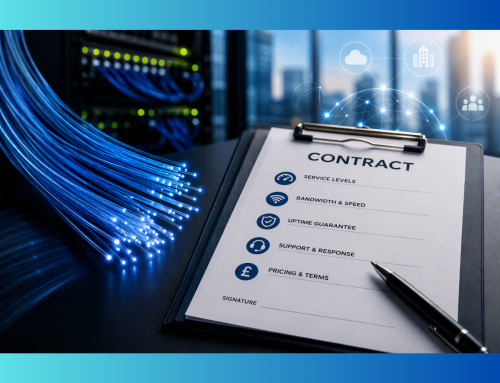
When choosing a business internet provider, one of the most critical factors to consider is the Service Level Agreement (SLA). An SLA is a contractual guarantee from your provider regarding service quality, availability, and performance. It will specify uptime percentages (e.g., 99.9%) and outline compensation or credits if these levels are not met.
SLAs provide a safety net, ensuring your IT systems are reliable and available. They reduce the risk of downtime and its associated costs by holding your provider accountable. A business that relies on its internet connection should never settle for a service without a strong SLA.
Proactive Solutions to Prevent and Minimise Downtime
The best way to deal with downtime is to prevent it from happening in the first place. This requires a proactive approach to managing your business internet connectivity and internal systems.
- Invest in Reliable Business Broadband
The cornerstone of preventing internet downtime is investing in a high-quality business broadband service. Look for providers that offer fibre connections or dedicated leased lines, as these provide the most reliable internet access. A reliable connection is the first and most important line of defence against costly downtime.
- Proactive Monitoring and Regular Maintenance
You cannot fix a problem you do not know about. Implementing proactive monitoring for your network and IT systems allows you to identify potential connectivity issues before they escalate into major disruptions. Using monitoring tools can help you spot signs of poor connectivity or failing hardware.
Alongside proactive monitoring, regular maintenance is crucial. This includes updating software, checking hardware, and ensuring all components of your network are functioning correctly. Regular maintenance can significantly reduce the likelihood of an unexpected outage.
- Implement Robust Collaboration Tools
In an age of hybrid and remote work, collaboration tools are essential. Investing in reliable cloud-based software for communication and project management can help your team continue to function even if there are localised connectivity issues. These tools ensure that work does not stop when one part of the system is down.
- Employee Training and Awareness
Human error is a leading cause of IT downtime and security incidents. Employee training on cybersecurity best practices, proper use of IT systems, and how to respond quickly to potential issues can significantly reduce risk. This includes being vigilant against phishing attempts that could lead to a data breach.
Choosing the Right Business Internet Solution
Selecting the right business internet service is a strategic decision. It is essential to choose a solution that aligns with your specific operational needs. For businesses that cannot afford any downtime, such as e-commerce platforms or financial service firms, dedicated leased lines offer the ultimate in reliability and performance.
For many UK businesses, a high-speed business fibre connection provides an excellent balance of cost and performance. When evaluating providers, look beyond the advertised download speeds. Consider their reputation for reliability, the quality of their customer service, and the strength of their SLAs.
Conclusion: Downtime is a Choice, Not an Inevitability
The real cost of downtime is a formidable threat to UK businesses, manifesting in lost sales, lost productivity, and a damaged brand reputation. It is far more than just an inconvenience; it is a significant financial drain that can impede growth and threaten the very survival of a business. The hidden costs associated with eroding customer trust and operational paralysis often outweigh the immediate financial impact.
However, costly downtime does not have to be an inevitable part of doing business. By investing in reliable business broadband, implementing a robust disaster recovery plan, and committing to proactive monitoring and regular maintenance, you can significantly minimise downtime. The journey of digital transformation requires a stable and resilient foundation, and that foundation is a superior business internet connection. In today’s competitive market, ensuring your business stays online is not just an IT issue—it is a core business strategy.
Ready to Eliminate Costly Downtime?
Don’t let poor internet connectivity dictate your business’s success. Digi Group specialises in providing ultra-reliable, high-speed business broadband solutions tailored to keep your operations running smoothly. Our expertise ensures you get a robust connection backed by exceptional support, protecting you from lost revenue and a damaged reputation.
Contact Digital Exchange today for a free consultation and discover how our business broadband can secure your success.