When setting up internet for a company, a common question arises: can I just use a standard home broadband package? On the surface, home and business broadband might seem similar, offering what appears to be the same internet connection. However, delving deeper reveals significant distinctions that can have a major impact on your business operations, productivity, and security. Choosing the right type of broadband is a critical decision for any business owner.
This article will explore the difference between residential and business broadband why it matters. We will break down the key areas where these services diverge, from speed and reliability to customer support and security features. Understanding these differences will help you make an informed choice, ensuring your business has the robust, reliable connection it needs to thrive.
What’s the Difference Between Business and Home Internet?
The fundamental key difference lies in the design and purpose of the service. Home broadband is built for personal use, optimised for activities like streaming, browsing, and online gaming. Business broadband, on the other hand, is specifically engineered to meet the demanding requirements of a commercial environment, prioritising reliability, consistent performance, and dedicated support.
While both use similar technology to deliver an internet connection, a business broadband package provides a higher grade of service with features tailored to commercial needs. Let’s examine these differences more closely.
-
Service Level Agreements (SLAs) and Reliability
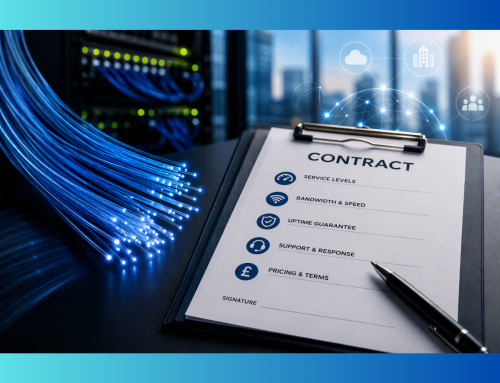
This is arguably the most crucial distinction between home and business broadband. A service level agreement is a contract between you and your business broadband provider that guarantees a certain level of service.
What is a Service Level Agreement?
A service level agreement is a formal guarantee from your business broadband provider regarding uptime, performance, and fault resolution times. If the service fails to meet these standards, you are typically entitled to compensation. This provides a safety net that is vital for any business.
Why Home Broadband Lacks Guarantees
Home broadband packages almost never come with an SLA. If your home broadband goes down, your broadband provider will fix it when they can, but there are no guaranteed timescales. For a business, this level of uncertainty is unacceptable. Hours or even days of downtime can result in significant financial loss and damage to your reputation. A business broadband connection with a strong service guarantee is designed to keep you online.
This makes business broadband better than home broadband for any commercial operation, as it ensures you have reliable connections.
-
Contention Ratio and Performance
Is business broadband faster than home broadband? Not always in terms of advertised broadband speed, but it is often more consistent due to a lower contention ratio.
Understanding Contention Ratio
The contention ratio refers to the number of users sharing the same amount of bandwidth on your provider’s network. Home broadband services typically have high contention ratios, meaning you are sharing your connection with many other residential customers in your area. This is why you might notice your broadband connection slowing down during peak evening hours when everyone is streaming movies.
How Business Broadband Delivers Consistent Speed
Business broadband packages are designed with a much lower contention ratio. This means fewer users are sharing the line, resulting in a more stable and reliable connection with more consistent download speeds throughout the day. Your business broadband traffic is given priority, ensuring that your critical business operations are not affected by the customers usage patterns of home broadband customers.
-
Static vs. Dynamic IP Addresses
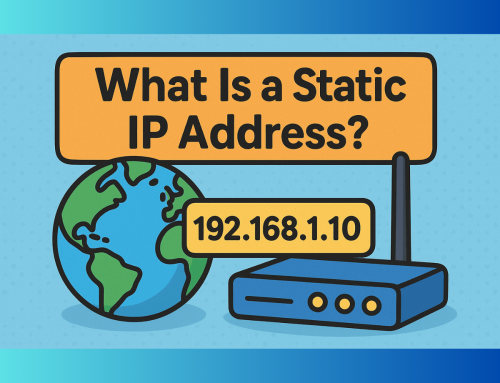
Another key difference is the type of ip address provided. An ip address is the unique identifier for your device on the internet.
The Instability of a Dynamic IP Address
Home broadband packages almost always use a dynamic ip address. This means your ip address changes periodically, usually every time you restart your router or at set intervals determined by your internet service providers. For general browsing, this is not an issue.
The Power of a Static IP Address
Most business broadband providers offer at least one static ip address with their business broadband packages. A static ip address never changes. This is essential for businesses that need to:
- Host their own server or own website.
- Set up a secure VPN for employees to remotely connect to the own network.
- Run specific services like VoIP phone systems or CCTV cameras.
Having a stable, unchanging static ip address is a critical business specific features that a residential service cannot provide. Some home broadband providers may offer a static ip address for an extra monthly fee, but it comes standard with many business broadband deals.
-
Enhanced Customer Support
When your internet goes down, you need help, fast. The level of customer support is a major differentiator between home and business broadband.
The Home Broadband Support Experience
Customer support for residential customers is typically limited to standard business hours. You will likely find yourself in a long queue, speaking to a general support agent who may not have specialised technical knowledge. The priority is to serve a high volume of users, not to provide rapid, in-depth assistance.
The Business Broadband Support Advantage
Business broadband customers receive a premium level of customer support. This often includes:
- Dedicated customer support lines with shorter wait times.
- 24/7 dedicated technical support from experienced agents.
- Faster fault resolution times as defined in the service level agreement.
For a business, quick access to expert help is invaluable. A good business broadband provider understands that downtime costs money and prioritises getting business customers back online as quickly as possible. This makes a business broadband service better than home broadband.
-
Advanced Hardware and Security
The equipment provided with business broadband is generally of a higher quality than that supplied with a home broadband package.
Business-Grade Routers
Business broadband packages often come with business grade routers. These business routers offer more advanced features, better performance, and enhanced security options compared to the standard routers provided to residential customers. Business broadband routers are designed to handle more connections and higher traffic volumes, providing a more reliable connection for your entire office.
Enhanced Security Features
Business broadband services also tend to offer more robust security options. While a home broadband package might include basic firewall protection, a business broadband package can offer advanced features like content filtering, anti-malware protection, and secure VPN capabilities. This helps protect your sensitive business data from online threats.
What is the Difference Between Home Fibre and Business Fibre?
This is a common question, especially with the rollout of full fibre broadband. The core technology is the same; both use fibre-optic cables to deliver incredibly faster speeds. However, all the differences mentioned above still apply.
Business broadband connections will offer a service level agreement, a lower contention ratio, static ip addresses, and superior customer support. So, while a home broadband fibre connection might advertise the same top-line download speeds, the business broadband connection will provide a more reliable connection and consistent performance, making it the superior choice for any small business. A bt business broadband fibre plan, for example, is specifically designed for commercial use, unlike its residential counterpart.
So, is Business Broadband More Expensive?
Yes, business broadband prices are generally higher than those for home broadband packages. However, it’s essential to view this not as an expense but as an investment. The higher cost reflects the superior service, guarantees, and support you receive. The cost of lost productivity and business opportunities due to a cheap but unreliable residential connection will almost always outweigh the savings from a home broadband package. Furthermore, business broadband contracts mean the cost can be claimed as a legitimate business expense.
When comparing business broadband deals, look beyond the monthly price and consider the value provided by the SLA, static ip address, and dedicated support.
Can I Use Business Broadband at Home?
Absolutely. With the rise of remote working, many businesses are now providing their employees with a business broadband connection at home. This ensures that remote workers have a reliable connection that is separate from their personal home broadband, guaranteeing they can perform their duties, join video calls, and access company systems without interruption. This is a smart move for any business owner looking to support a productive remote team.
Conclusion: Why the Right Broadband Matters for Your Business
While it might be tempting for a small business to opt for a cheaper home broadband package, the differences are stark and significant. Business broadband is not just a rebranded residential broadband service; it is a distinct, superior product engineered for the demands of a commercial environment.
From the safety net of a service level agreement and the consistent performance of a low contention ratio to the essential functionality of a static ip address and the peace of mind of dedicated customer support, business broadband provides the robust foundation your company needs. Choosing a business broadband service is an investment in reliability, productivity, and security. It ensures your internet services empower your business operations rather than hinder them, giving you the reliable connection you need to succeed. If you would like to find out more and have a chat with one of our team Contact us today!